STCKY: Hypothermia

With the days finally getting longer, it may seem to be the wrong time to think about freezing to death … but I’m getting ready to kill someone (fictionally speaking) for Mysteries to Die For and my weapon of choice is cold. So join me for a writerly dive into research on hypothermia.

According to the Mayo Clinic, hypothermia occurs when body temperatures drop from our 98.6 to below 95 degrees F. Yep, only 3 degrees separate us from popsicles.

Design flaw??

At the lower temperature, we aren’t quite freezer ready, but we are at a point where we lose heat faster than we can generate it. Our bodies can’t work right, especially important parts like our hearts and lungs. The colder we get, the more we have symptoms like:

  • Shivering – A GOOD THING. THIS IS TRYING TO WARM US
  • Slow, shallow breathing.
  • Weak pulse.
  • Clumsiness or lack of coordination.
  • Slurred speech or mumbling.
  • Drowsiness or very low energy.
  • Confusion or memory loss.
  • Loss of consciousness.

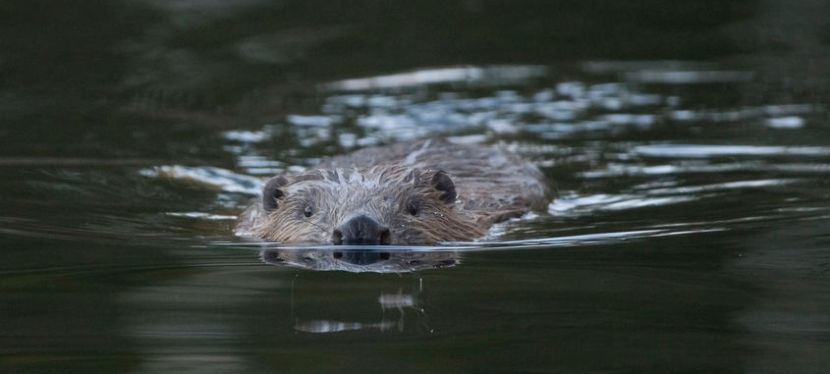
In 2023, over 1,000 people died from hypothermia, according to the CDC. The majority of deaths occurred in December, January, February, and March. But there were cold related deaths reported in all months. Hypothermia can happen in temperatures well above freezing, especially if you are wet like from rain, sweat, or falling in a lake. Afterall, we aren’t otters with there famously dense fur that keeps then roasty toasty.

Alcohol adds an interesting wrinkle. While it gives us a warm feeling inside, it is causing blood vessels to expand. As a result, the surface of the skin loses heat more rapidly. Alcohol also reduces the body’s natural shivering response, one of the defense mechanisms built in to warm us back up.

So even though temperatures are warming, pay attention for those clues that say you’re getting too cold. Because hypothermia is something absolutely out to kill you.

Stay warm 🙂 But not too warm. That can kill you too. 😦

https://www.mayoclinic.org/diseases-conditions/hypothermia/symptoms-causes/syc-20352682
https://www.cdc.gov/mmwr/volumes/74/wr/mm7406a6.htm

On the Prowl: Cryptogram Solution

This is a keyword cypher so let’s start with the key word. It was to be found in this quote from the fabulous Mae West:

The keyword was Snow White, with the second W removed, so snowhite.

Next, the cipher is created by writing the key word, and then the remaining letters of the alphabet in order. Those are written over the normal alphabet

snowhiteabcdfgjklmpqruvxyz
abcdefghijklmnopqrstuvwxyz

Now you can decode the text:

Gj nmhsqe ji vagw,

Gj tdhsf ji prg –

Pqadd qeh veaqh pgjv

Pvamdp pjiqdy wjvg –

Qvat sgw njrte

Sgw nds sgw qejmg

Sdd ag sg aoy

Lrahq, ijmdjmg.

Becomes:

No breath of wind,
No gleam of sun –
Still the white snow
Swirls softly down –
Twig and bough
And blade and thorn
All in an icy
Quiet, forlorn.

This is the start of the poem “Snow” by Walter De La Mare

For a lesson in Key Word Cyphers, check out this link to a Cornell lecture: https://pi.math.cornell.edu/Lecture4/KeyWordCipher

The poem was sourced from: https://www.public-domain-poetry.com/ The ads are annoying, but the site it otherwise great.

Meet the short story writer and poet Walter de la Mare on Wikipedia: https://en.wikipedia.org/wiki/Walter_de_la_Mare

And get to know the woman I admire as among the wittest who ever graced the planet: https://en.wikipedia.org/wiki/Mae_West

WMW: Seasonally Toxic Fish

You know how you’ll be somewhere listening and your wandering mind wanders until everything sounds like blah blah blah—then something sneaks in that rips your attention from wander to wonder?

That was me, on a tour in the beautiful setting of Roatan Island, Honduras. The sights out the windows distracted me until I was only half listing to our guide. “Biggest industries blah blah blah fishing blah blah blah seasonally toxic fish—”

My wandering mind wondered … exactly how does this work …

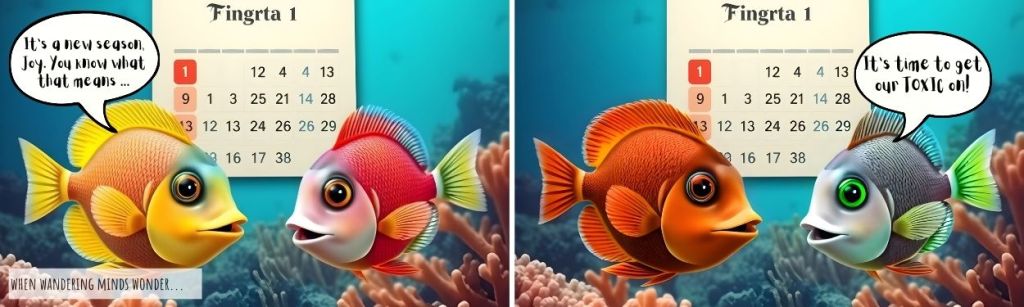
As many fishermen, fish connoisseurs, and people who live in affect areas know (but this land-based city girl did not) seasonal toxicity has nothing to do with fish conspiracies and flip calendars. Many species of fish are poisonous only during certain times of year. These times may coincide with our calendars but reflect temporary changes affecting the production or accumulation of toxins within the fish.

Why do good fish go toxic? Consumption of toxic algal blooms. Increases in water temperature. Reproductive cycles (talk about PMSing). Geographic location influences.

My wandering mind went down a fascinating and terrifying rabbit hole. Not-so-fun facts from Your Fish Guide.com…

  • The toxin in Puffer Fish, tetrodotoxin, is a neurotoxin 1,200x more potent than cyanide
  • Ciguatera poisoning from reef fish affects an estimated 50,000 people annually
  • Stone Fish are the most venomous with a deadly neurotoxin in the spines

Nature once again rates as TOTALLY FASCINATING. I just may have found the weapon to use in my short story for Mysteries to Die For. Was it murder … or just bad timing …mwahhhh.  

To learn more about normally and seasonally toxic fish, check out the two resources that preoccupied me for a good hour: Your Fish Guide.com and the Food Safety Institute

#WanderingMindsWonder

*AI was used in the creation of this image.