

You know how you’ll be somewhere listening and your wandering mind wanders until everything sounds like blah blah blah—then something sneaks in that rips your attention from wander to wonder?
That was me, on a tour in the beautiful setting of Roatan Island, Honduras. The sights out the windows distracted me until I was only half listing to our guide. “Biggest industries blah blah blah fishing blah blah blah seasonally toxic fish—”
My wandering mind wondered … exactly how does this work …
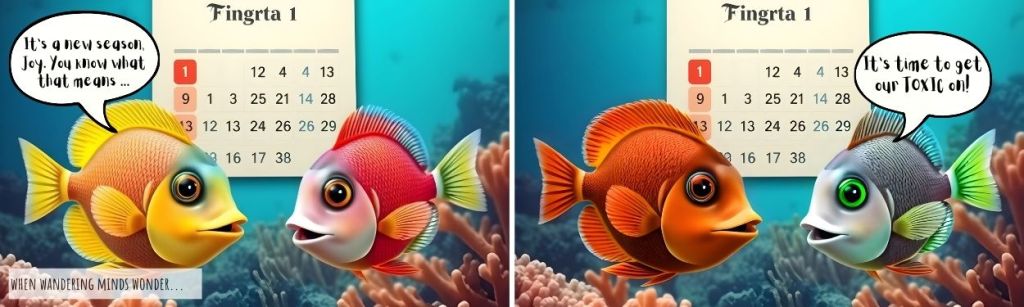
As many fishermen, fish connoisseurs, and people who live in affect areas know (but this land-based city girl did not) seasonal toxicity has nothing to do with fish conspiracies and flip calendars. Many species of fish are poisonous only during certain times of year. These times may coincide with our calendars but reflect temporary changes affecting the production or accumulation of toxins within the fish.
Why do good fish go toxic? Consumption of toxic algal blooms. Increases in water temperature. Reproductive cycles (talk about PMSing). Geographic location influences.
My wandering mind went down a fascinating and terrifying rabbit hole. Not-so-fun facts from Your Fish Guide.com…
- The toxin in Puffer Fish, tetrodotoxin, is a neurotoxin 1,200x more potent than cyanide
- Ciguatera poisoning from reef fish affects an estimated 50,000 people annually
- Stone Fish are the most venomous with a deadly neurotoxin in the spines
Nature once again rates as TOTALLY FASCINATING. I just may have found the weapon to use in my short story for Mysteries to Die For. Was it murder … or just bad timing …mwahhhh.
To learn more about normally and seasonally toxic fish, check out the two resources that preoccupied me for a good hour: Your Fish Guide.com and the Food Safety Institute
#WanderingMindsWonder
*AI was used in the creation of this image.
 TG Wolff